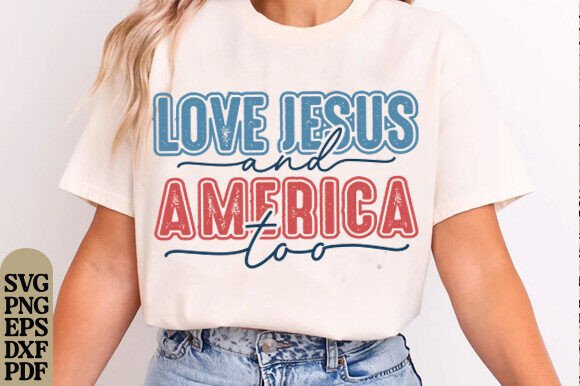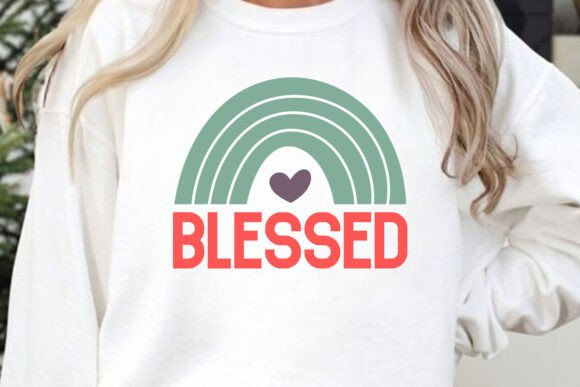
Blessed SVG, Jesus SVG
First Impressions: A Quiet, Uplifting Presence
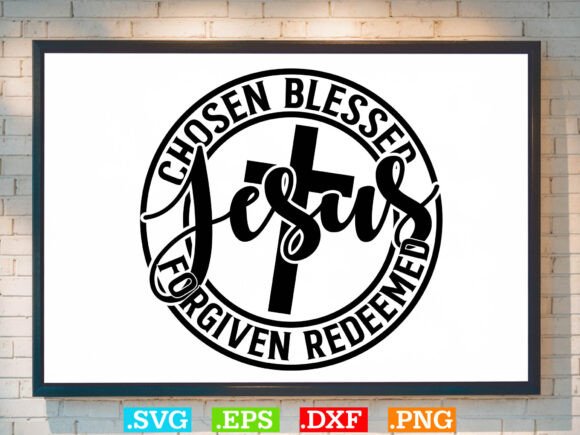
Opening the zip folder for Blessed SVG, Jesus SVG, I immediately notice its clean, centered composition—no clutter, no excessive ornamentation. It’s not a bold typographic statement or a highly detailed portrait; instead, it leans into symbolic simplicity: likely a gentle script “Blessed” paired with a subtle cross or minimal iconography referencing Christ. That restraint is its strength. As an embroidery designer who’s stitched hundreds of faith-based pieces—from baby onesies to boutique aprons—I appreciate how this design avoids visual overload. It feels reverent without being stiff, warm without being saccharine. The layout reads well at 3–4 inches wide, making it ideal for chest placements on tees, left-chest embroidery on tote bags, or centered front panels on lightweight sweatshirts.
Where It Shines in Real Embroidery Projects
I recently prepped Blessed SVG, Jesus SVG for a custom order: a set of linen tea towels for a local church gift shop. The design translated beautifully—not just in digital mockups, but in actual stitch-out. On medium-weight woven fabric with tear-away stabilizer, the satin-stitched outlines held crisp definition, and the fill areas remained breathable without overloading the thread density. It worked equally well on a soft cotton baby blanket (using cut-away stabilizer) and on a structured twill cap (with foam + tear-away combo). As a machine embroidery design, it’s forgiving: no ultra-thin serifs, no micro-details that vanish under stitching, and no dense overlapping fills that cause puckering on stretchy knits.
This makes Blessed SVG, Jesus SVG especially valuable for Etsy sellers and small shop owners who need reliable, repeatable assets. I’ve used it as a standalone chest design on unisex crewnecks, layered beneath a small floral motif for nursery decor pillow covers, and even resized down to 2.25” for embroidered patches on denim jackets. Its versatility across custom apparel, personalized gifts, and holiday embroidery (think Easter or Christmas markets) comes from intentional spacing and balanced negative space—not from gimmicks.
Where to Use It Thoughtfully
That said, it’s not universally plug-and-play. On thin fabric like lightweight rayon or modal blends, I recommend reducing stitch density slightly in your embroidery software—or adding a light iron-on stabilizer behind the hoop. On dark fabric, test thread colors carefully: white or ecru works, but a soft heather gray or oatmeal thread often reads more thoughtfully than stark white. For curved surfaces like caps or curved tote bag seams, avoid placing the full design across the seam line—center it cleanly on the flat panel instead.
The design doesn’t include intricate inner linework or fine halftones, so it won’t overwhelm small hoop sizes (like 4x4”), but don’t force it below 2”. Tiny lettering isn’t part of this file set, which is wise—this isn’t a digital embroidery file meant for wristband-sized text. Also, while it scales up nicely for larger items (blankets, wall hangings), avoid pushing beyond 6” unless you manually adjust stitch angles and underlay—otherwise, satin stitches can lose smoothness.
What It Adds to Your Finished Product
Customers respond to sincerity—not just symbolism. When I stitched Blessed SVG, Jesus SVG onto a heavyweight organic cotton tote for a faith-based nonprofit, buyers commented on how “calm” and “intentional” it felt—versus busier, trend-driven designs. That emotional resonance lifts perceived value. It supports brand consistency for shops with a quiet, grounded aesthetic. It enhances giftability: people trust handmade products that feel considered, not mass-produced. And because it avoids cliché visuals, it builds customer trust—especially among discerning church groups, educators, or wellness-focused boutiques.
Practical Designer Notes Before You Stitch
- Always test on scrap fabric first—especially if using textured fabrics like terry cloth or bouclé.
- Review stitch density in your embroidery software: aim for 8–10 stitches/mm in satin areas, and ensure fill stitches aren’t overly dense for breathability.
- Confirm your hoop size matches the design’s native dimensions—no forced scaling without checking stitch integrity.
- Inspect corners and curves in your software preview: look for jagged edges or skipped jumps that could affect clarity.
- Test in black-and-white mockups to verify contrast on both light and dark backgrounds.
- Use appropriate stabilizer: tear-away for stable wovens, cut-away for knits, and fusible + tear-away for lightweight or sheer fabrics.
- Verify licensing terms before selling finished items—Blessed SVG, Jesus SVG is a digital embroidery file, not necessarily a commercial-use license by default.
- If offering this as a printable mockup or design asset in your own shop, clarify whether buyers receive editable vector files (AI/EPS) or only raster PNGs.
Final Thoughts for Craft Business Owners
Blessed SVG, Jesus SVG belongs in the toolkit of any creative entrepreneur who values clarity, calm, and craftsmanship over noise. It’s not flashy—but then, neither is most meaningful embroidery work. Whether you’re stitching for a local mom-and-pop gift shop, preparing holiday inventory for Etsy, or building a cohesive line of handmade product for a church bazaar, this design delivers quiet confidence. It doesn’t shout. It settles. And in today’s saturated market, that kind of grounded presence is rare—and commercially smart.
As a T-Shirt Designs asset, it’s adaptable. As a Graphics file set, it’s complete—SVG, EPS, AI, DXF, PDF, and transparent PNG mean you can prep for embroidery, screen print, vinyl cutting, or digital mockups without conversion headaches. Just remember: great design starts with intention, not just file formats. Let Blessed SVG, Jesus SVG serve your vision—not the other way around.